Table Of Content

If you are just starting out and don’t want to spend a fortune this might be the hive you’ve been looking for. They allow the bees to build comb and live in the center of stacked logs. If you are on a tight budget but have logs lying around your homestead then this option could work for you.
Inner Cover

This design mimics the natural behavior of bees, allowing them to build their comb in a way that suits their needs. The absence of frames also makes inspection and honey extraction a simpler process. Beekeepers can easily slide the bars aside to access the comb and remove honey, without disturbing the bees as much as traditional hive designs. The top bar hive utilizes bars placed on top of the box, allowing bees to construct their comb. This design promotes natural comb building, as the queen can freely move throughout the hive.
Indian architect turns to bees and terracotta to design innovative cooling system - UNEP
Indian architect turns to bees and terracotta to design innovative cooling system.
Posted: Mon, 04 Feb 2019 08:00:00 GMT [source]
Accessibility for Beekeepers
You can just get a couple of huge boards and cut the pieces from that. Finish this design with waterproof paint or linseed oil, and you’ve got yourself a hive. Double bee hive stand plans are great for keeping native bees together – it helps form their bee community (1). You can also use this to prevent bee fights after you split your hive.
Honey Super Plans
Beekeeping for Beginners: What You Need to Know to Start a Hive - Better Homes & Gardens
Beekeeping for Beginners: What You Need to Know to Start a Hive.
Posted: Sun, 09 Oct 2022 07:00:00 GMT [source]
But knowing how to put together different types of beehives is even better. And learn how to build the other hive components, including the bottom board. This beehive stand is not just for the Leyens hive users. It is also the perfect solution for apiarists tired of tripping over the spayed legs of their hives! But don’t worry, the entire structure is still stable because of the low-key crossbars support at the bottom.
Honeybee Habitat and Environment: A Comprehensive Insight
It consists of rectangular boxes stacked on top of each other, with removable frames inside. Many new beekeepers purchase the top cover, bottom board, inner cover and frames – but enjoy building the main brood boxes and bee super boxes. When you picture a beehive, you're most likely picturing a Langstroth beehive. This is the most common type of beehive in the United States.
It helps regulate temperature and humidity within the hive and prevents condensation from forming, which could be detrimental to the bees. Some inner covers also come with an entrance hole that can be adjusted to control ventilation. Horizontal hives offer several benefits over traditional vertical hives. They provide better insulation and ventilation, which can help regulate the temperature and humidity inside the hive. The horizontal layout also allows for easier access to the hive, as beekeepers can work from the side rather than lifting heavy boxes from the top. This can be particularly advantageous for beekeepers with physical limitations or those who prefer a less strenuous approach to hive management.
The early morning sun gets bees out and foraging earlier, so consider where the sun rises on your property as a clue for best beehive placement. Once the beehive is clean, you may also consider sanding the surface lightly to create a smooth and even texture. Sanding helps to remove any rough spots or imperfections, allowing the paint or stain to adhere better. Remember to wipe away any sanding dust before proceeding to the next step. Before applying any paint or stain to your beehive, it is crucial to prepare the surface properly.
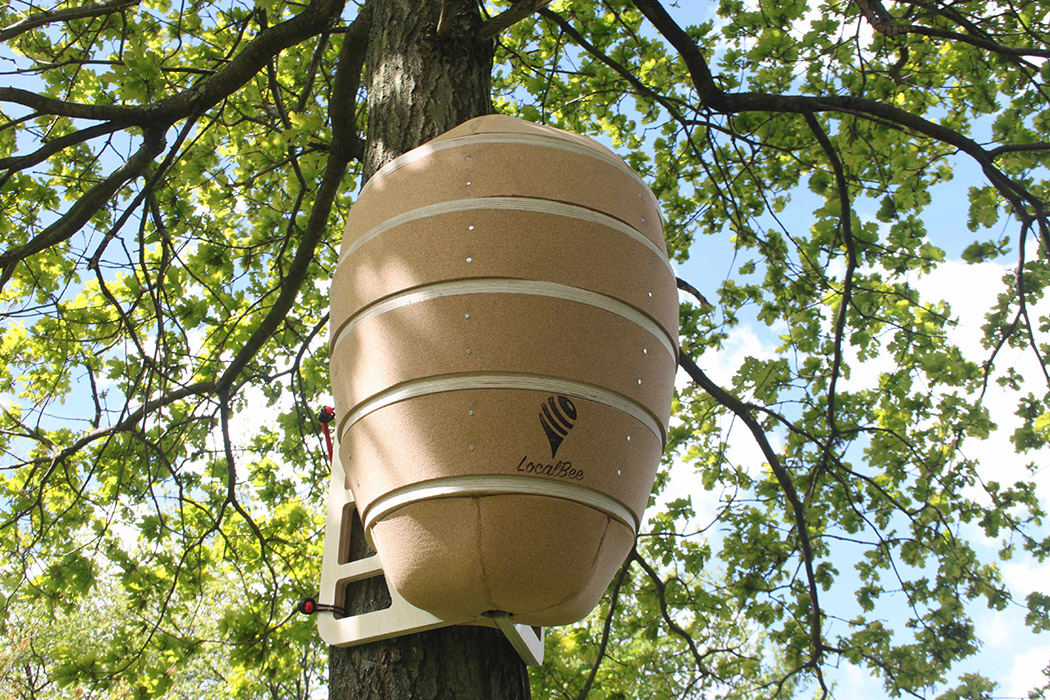
Horizontal Beehives: Addressing Common Queries
Position the nails or screws evenly along the edges, making sure to space them out for maximum stability. Building a beehive box requires attention to detail and precision to create a suitable environment for your bees. By following these steps, you will be on your way to constructing a functional and well-designed beehive box for your colony. Now that you have a comprehensive list of the materials and tools needed for making a beehive, you’re one step closer to creating a buzzing haven for your bees. In the next section, we will explore the different designs available for beehives and help you choose the one that best suits your needs and preferences. Accuracy is key when building a beehive, and a measuring tape is an essential tool for achieving precise measurements.
All in all, Langstroth hives are a great choice for beginning beekeepers. Now that you’ve got your supplies, set up a beehive, and know what you’re in for, learn where to get your bees. Many beekeepers use cement blocks or some other sturdy, but readily available materials. However, there are many excellent commercial products available, offering other benefits.
The frames are typically made of wood or plastic and are inserted into the hive body. They hold the foundation, which is a sheet of beeswax or plastic imprinted with the hexagonal pattern that mimics natural honeycomb. The Flow Hive is a revolutionary bee hive design that has taken the beekeeping world by storm.
Vertical hives can be expanded upwards, making them more space-efficient. However, they can become quite heavy, making honey extraction and hive inspections more challenging. You should only insulate the beehive during colder months. If you insulate the beehive during hot summer days, you put the entire colony at risk of overheating. The queen will stop laying new bees and the entire honey production is put on hold.
Check out this next beehive that is so customized that you have to make your frames to go with it. It gets easier using just super-strong, outdoor-grade glue and industrial staples to join things together. Let’s start with one of the most unusual yet simple designs to make.